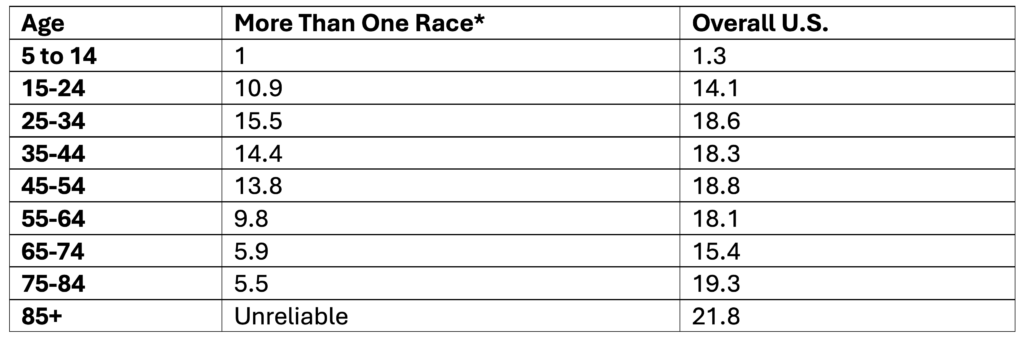
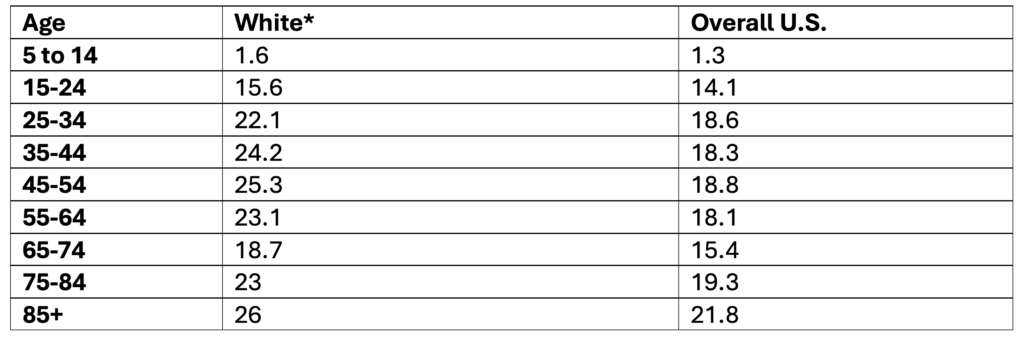
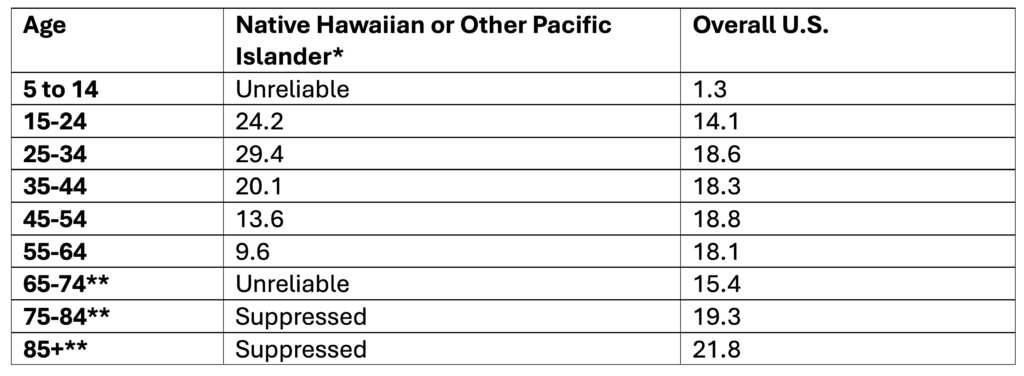
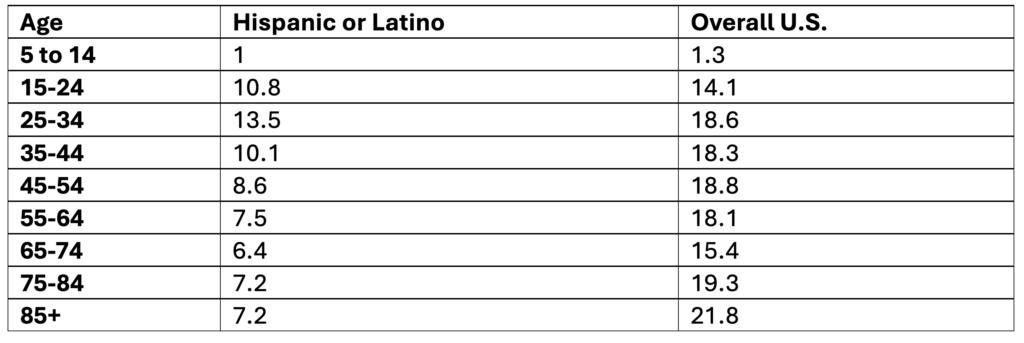
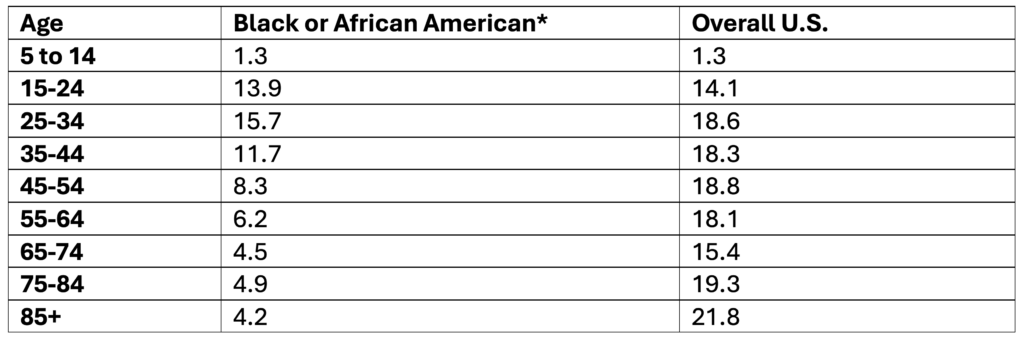
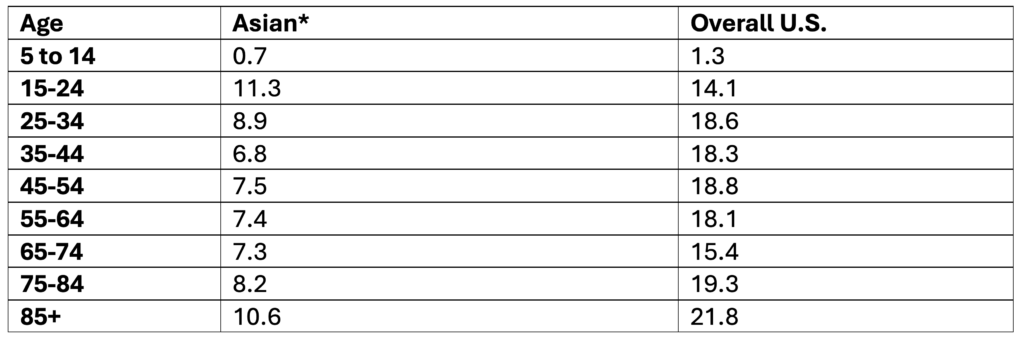
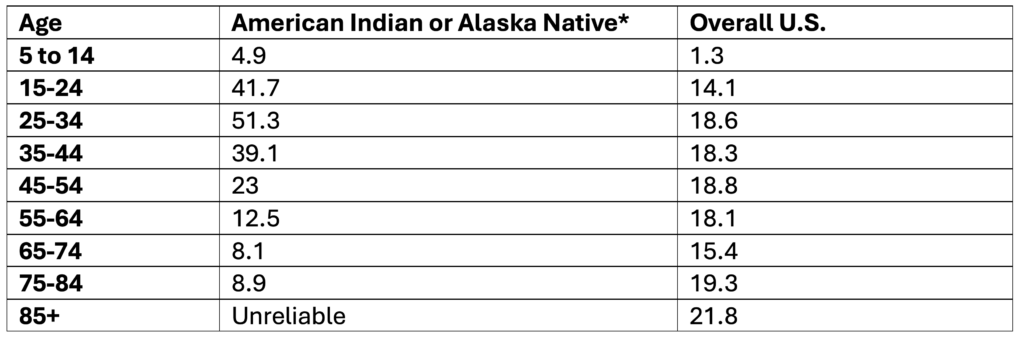
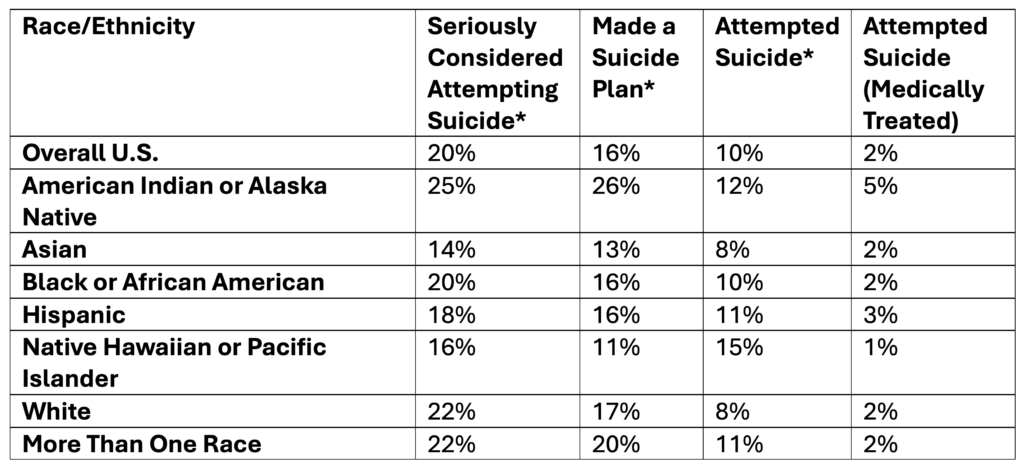
Selected Injury-Related Death Rates, 2014-2023
Centers for Disease Control and Prevention, National Center for Health Statistics. National Vital Statistics System, Mortality 1999-2020 on CDC WONDER Online Database, released in 2021. Data are from the Multiple Cause of Death Files, 1999-2020, as compiled from data provided by the 57 vital statistics jurisdictions through the Vital Statistics Cooperative Program.
ICD-10 Codes: V01-V99 (Transport accidents); X40 (Accidental poisoning by and exposure to nonopioid analgesics, antipyretics and antirheumatics); x41 (Accidental poisoning by and exposure to antiepileptic, sedative-hypnotice, antiparkinsonism and psychotropic drugs, not elsewhere classified); X42 (Accidental poisoning by and exposure to narcotics and psychodysleptics [hallucinogens], not elsewhere classified); X43 (Accidental poisoning by and exposure to other drugs acting on the autonomic nervous system); X44 (Accidental poisoning by and exposure to other and unspecified drugs, medicaments and biological substances); X45 (Accidental poisoning by and exposure to alcohol); X46 (Accidental poisoning by and exposure to organic solvents and halogenated hydrocarbons and their vapours); X47 (Accidental poisoning by and exposure to other gases and vapours); X48 (Accidental poisoning by and exposure to pesticides); X49 (Accidental poisoning by and exposure to other and unspecified chemicals and noxious substances); X60-X84 (Intentional self-harm); X85-Y09 (Assault)
Year/Month: 2014; 2015; 2016; 2017; 2018; 2019; 2020
Group By: Year; ICD Sub-Chapter
Show Totals: True
Show Zero Values: False
Show Suppressed: False
Standard Population: 2000 U.S. Std. Population
Calculate Rates Per: 100,000
Rate Options: Default intercensal populations for years 2001-2009 (except Infant Age Groups)
Centers for Disease Control and Prevention, National Center for Health Statistics. National Vital Statistics System, Mortality 2018-2023 on CDC WONDER Online Database, released in 2024. Data are from the Multiple Cause of Death Files, 2018-2023, as compiled from data provided by the 57 vital statistics jurisdictions through the Vital Statistics Cooperative Program.
ICD-10 Codes: V01-V99 (Transport accidents); X40 (Accidental poisoning by and exposure to nonopioid analgesics, antipyretics and antirheumatics); x41 (Accidental poisoning by and exposure to antiepileptic, sedative-hypnotice, antiparkinsonism and psychotropic drugs, not elsewhere classified); X42 (Accidental poisoning by and exposure to narcotics and psychodysleptics [hallucinogens], not elsewhere classified); X43 (Accidental poisoning by and exposure to other drugs acting on the autonomic nervous system); X44 (Accidental poisoning by and exposure to other and unspecified drugs, medicaments and biological substances); X45 (Accidental poisoning by and exposure to alcohol); X46 (Accidental poisoning by and exposure to organic solvents and halogenated hydrocarbons and their vapours); X47 (Accidental poisoning by and exposure to other gases and vapours); X48 (Accidental poisoning by and exposure to pesticides); X49 (Accidental poisoning by and exposure to other and unspecified chemicals and noxious substances); X60-X84 (Intentional self-harm); X85-Y09 (Assault)
Group By: Year; ICD Sub-Chapter
Show Totals: True
Show Zero Values: False
Show Suppressed: False
Standard Population: 2000 U.S. Std. Population
Calculate Rates Per: 100,000
Rate Options: Default intercensal populations for years 2001-2009 (except Infant Age Groups)